About the telescope
R.O.S.T.
Remote Ondřejov Section Telescope
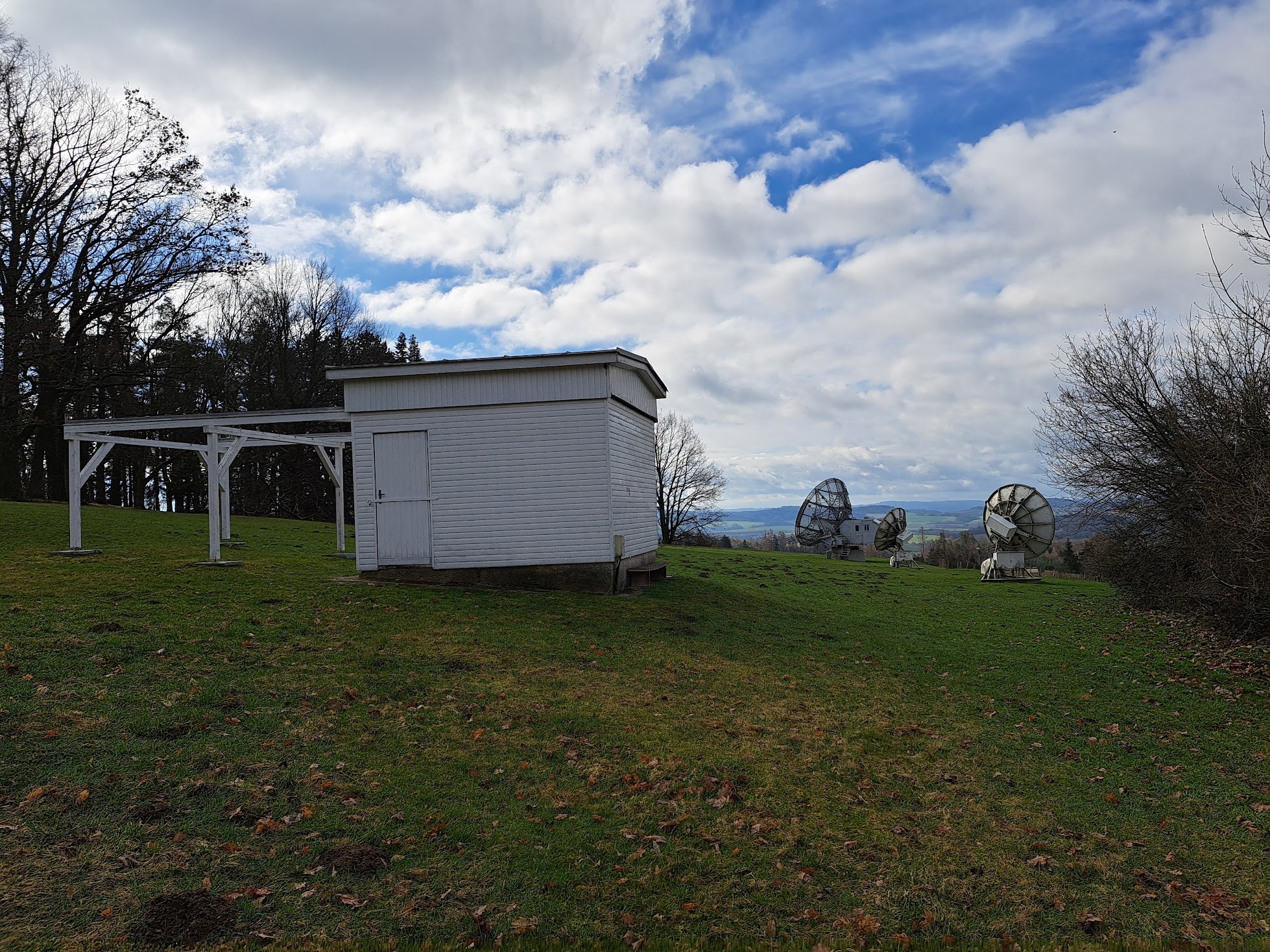
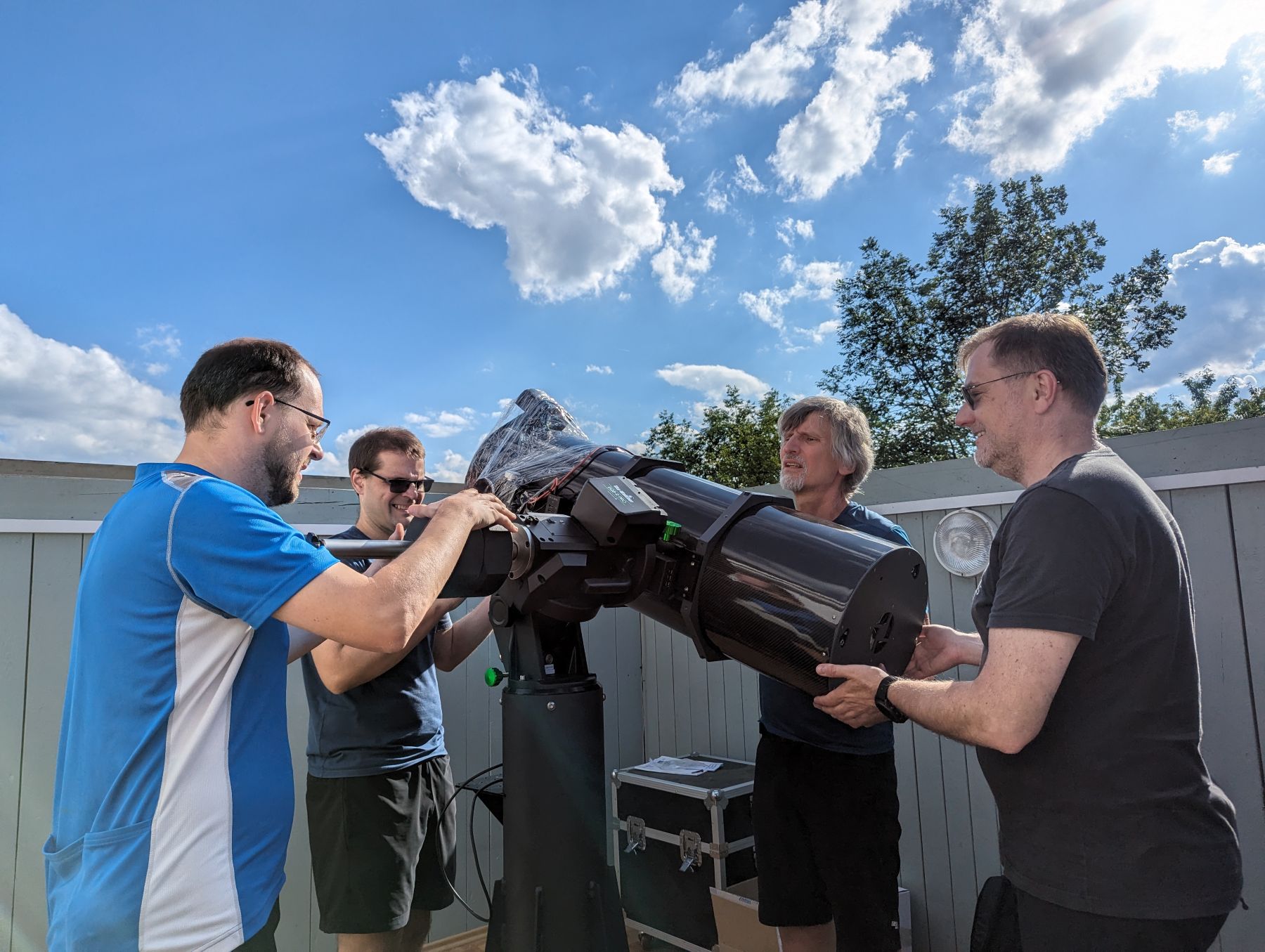
ROST (Remote Ondřejov Section Telescope) is a remotely controlled observation system operated by the Variable Star and Exoplanet Section of the Czech Astronomical Society, located on the grounds of the Astronomical Institute of the Czech Academy of Sciences in Ondřejov.
The telescope was commissioned in 2024 and is primarily intended for precise CCD photometry of variable stars, transiting exoplanets, and other time-variable objects. The system is fully controllable via the internet, allowing astronomical observations to be conducted using only a web browser.
ROST bridges the gap between amateur and professional astronomy. It serves the Section members and students, while simultaneously providing data that can be utilized in professional observation campaigns and research projects in collaboration with the Astronomical Institute of the Czech Academy of Sciences in Ondřejov.
Technical specifications
305 mm Newtonian
G4-16000
EQ8-R Pro

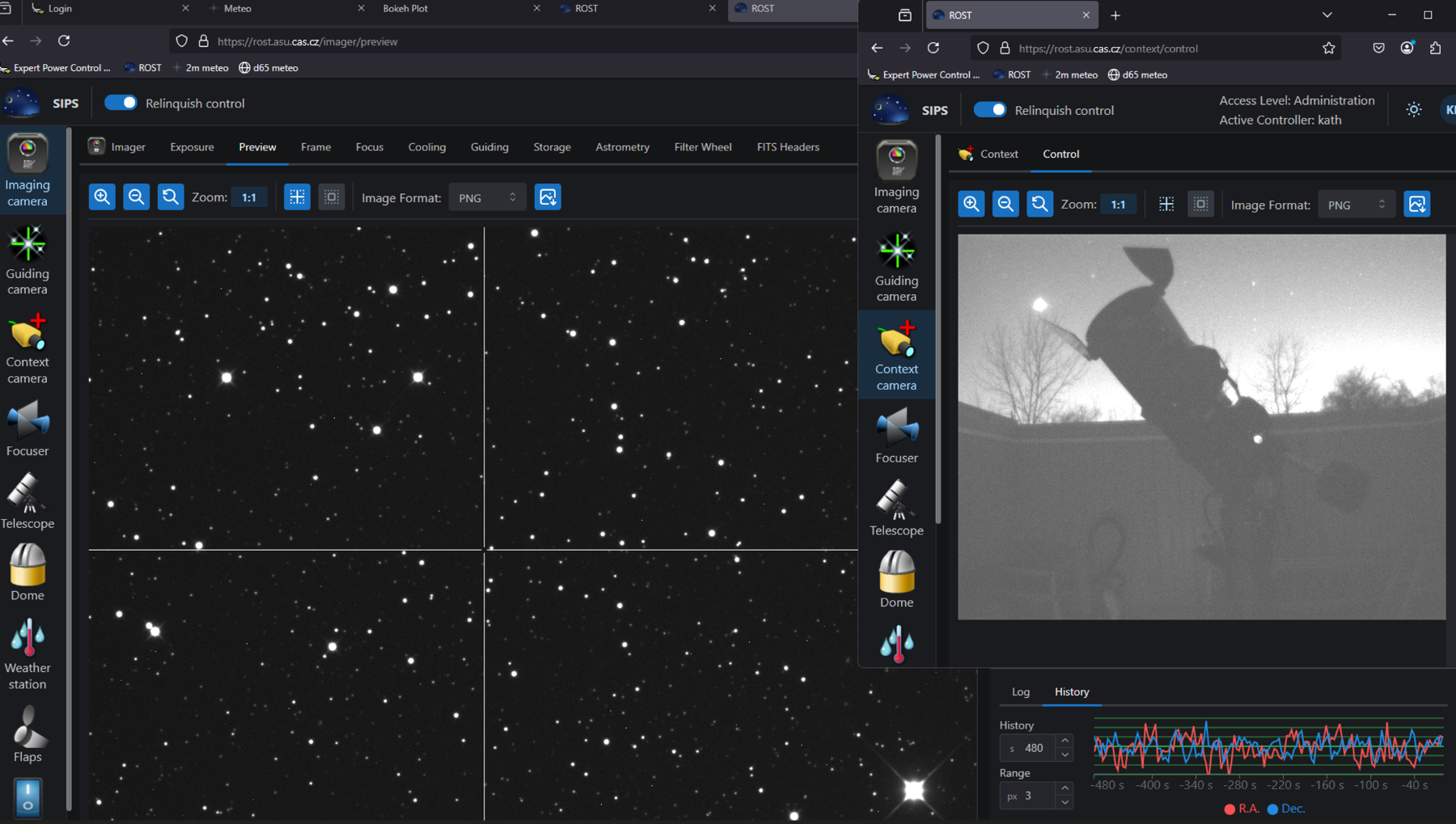
How is ROST controlled?
The entire setup is managed by the SIPS4 software (developed by Moravian Instruments). For remote access, the WebSIPS system is utilized, which communicates with SIPS via a REST API.
Consequently, the observer does not need to install any specialized software. To control the telescope, all that is required is:
a computer + a stable internet connection + a web browser.
Through WebSIPS, the following functions can be controlled during observation:
- opening and closing of the roof,
- mount movement,
- slewing to an object,
- the camera and exposures,
- photometric filters,
- focusing,
- guiding.
Observations take place in real time under the vigilant supervision of the observer.
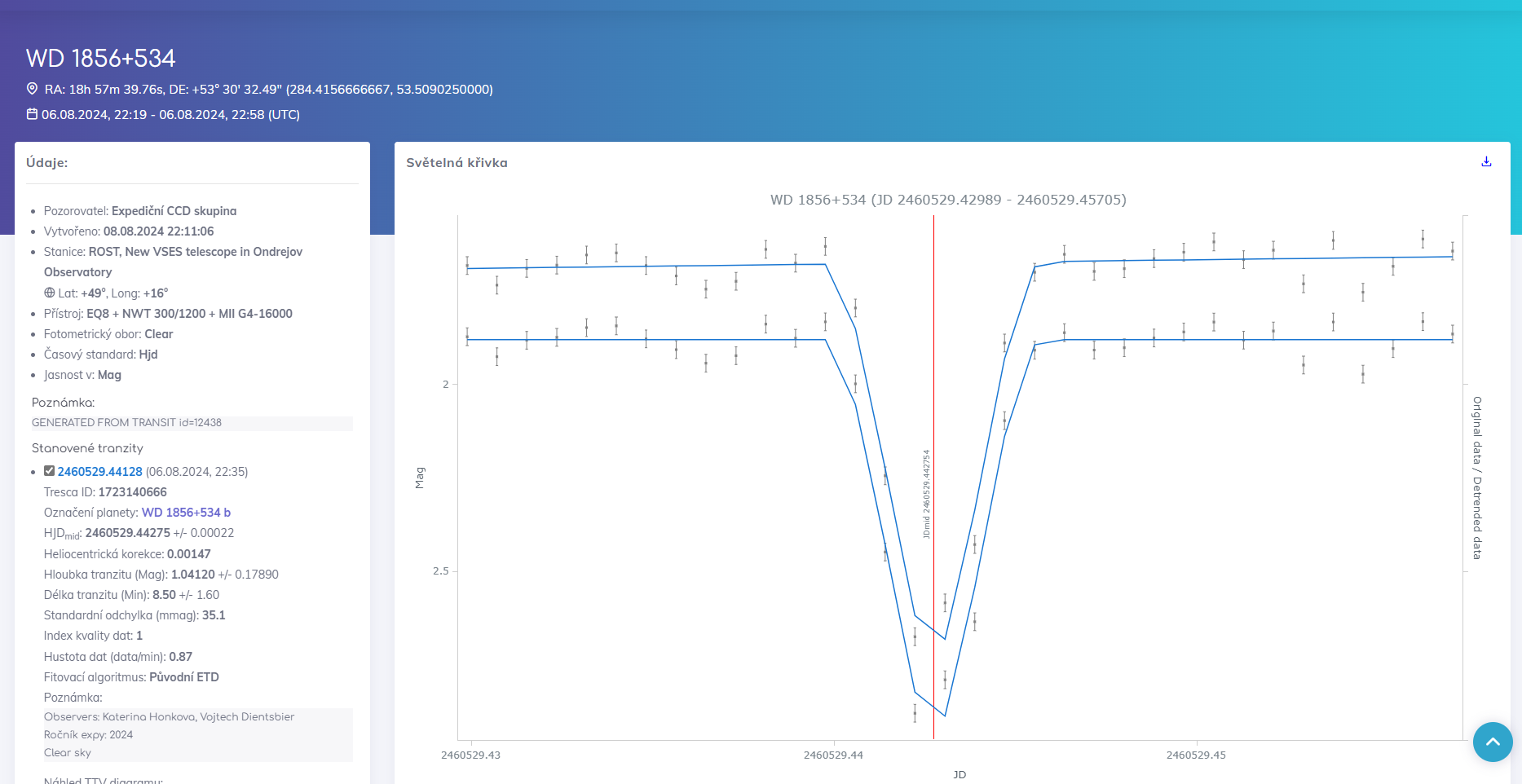
What do we observe with the telescope?
ROST is primarily designed for precise time-series photometry. The main objective is to acquire measurements that are useful for professional and student projects as well as joint observation campaigns.
Variable stars
Long photometric series of eclipsing, pulsating, eruptive, and other variable stars make it possible to monitor changes in their brightness and determine the times of minima or maxima.
Exoplanets
ROST enables the monitoring of exoplanet transits and the refinement of their parameters and transit times. It is also utilized within the framework of professional observation campaigns.
Stellar flares
One of the observation programs involves the monitoring of eruptive stars (flare stars) in collaboration with the Solar Department of the Astronomical Institute of the Czech Academy of Sciences.
Observation campaigns
The telescope participates in joint professional campaigns, during which selected objects are monitored simultaneously by multiple observatories.
How to Get Involved?
Do you already have experience with CCD/CMOS observations and would like to use ROST? Observing with ROST is one of the key benefits of membership, so we recommend becoming a member! 🙂
Get in touch with us.
We regularly organize training sessions for new observers as well as joint online observing sessions, where you can try operating the telescope yourself.
Once you have completed the training, you can gain access to the system and book your own observing nights.
Contact: sphecas@gmail.com
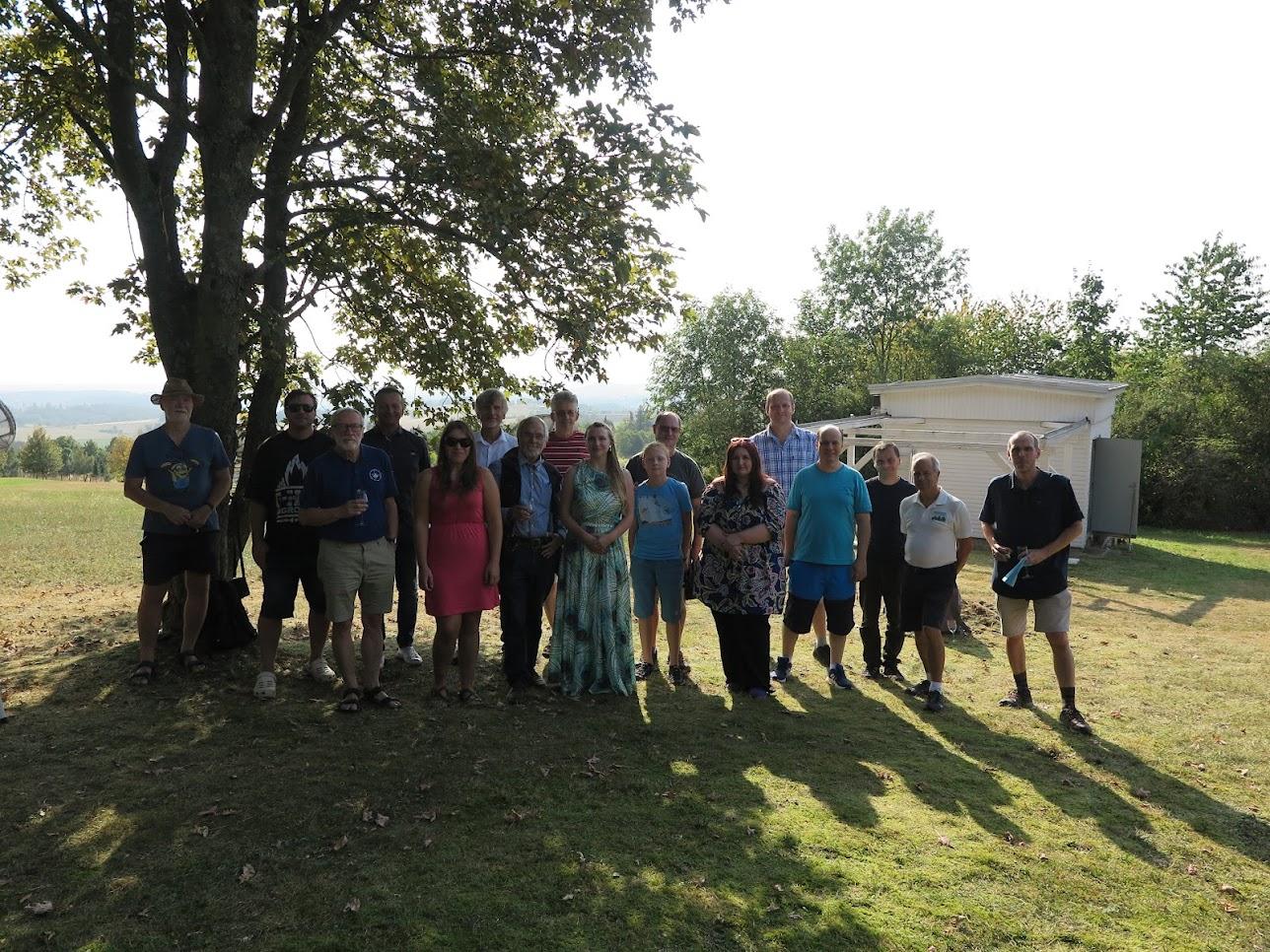
ROST was created through collaboration
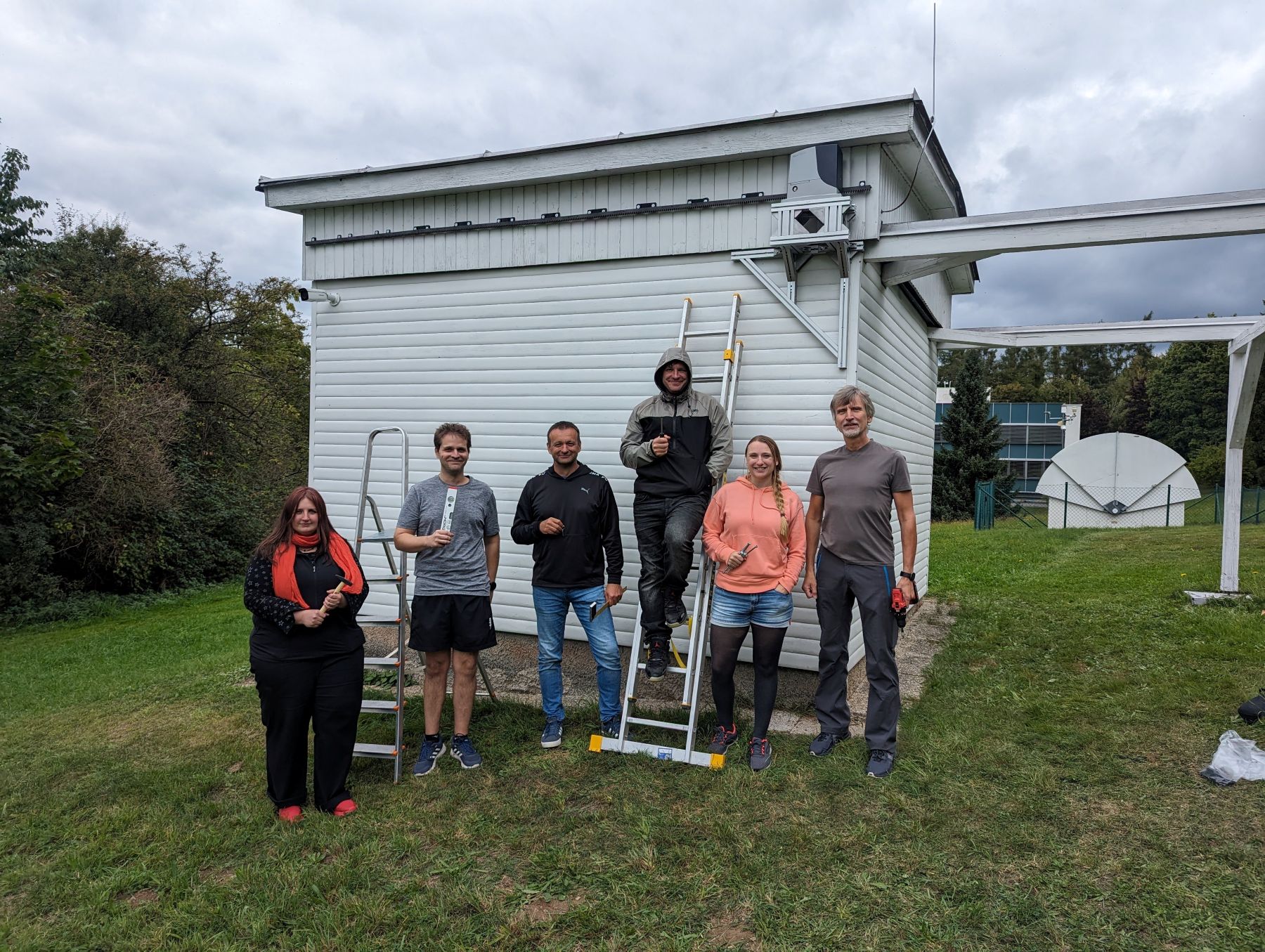
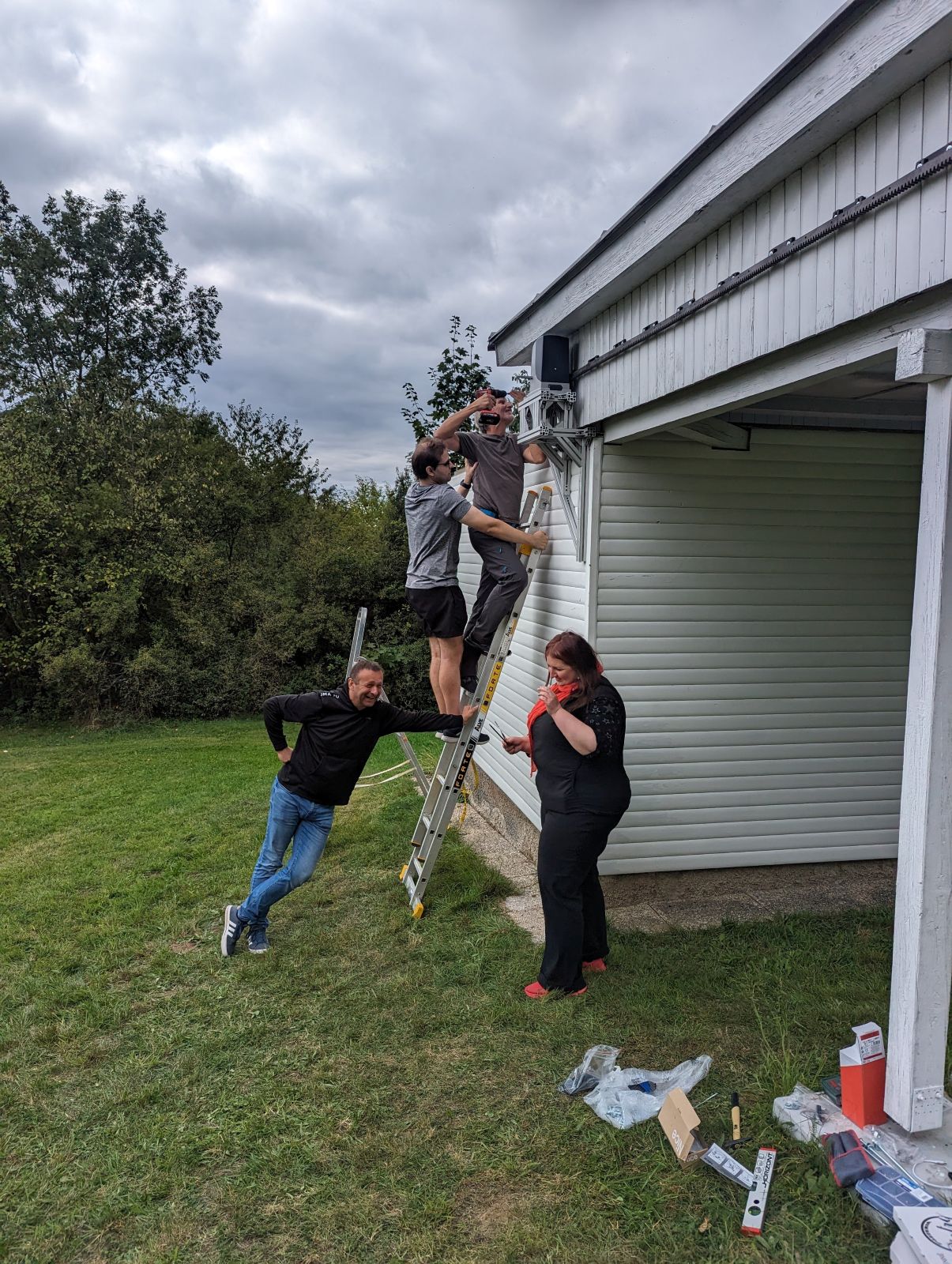
The construction and operation of the telescope would not have been possible without the cooperation of numerous institutions and individuals.
Significant support is provided by the Astronomical Institute of the Czech Academy of Sciences, on whose Ondřejov grounds ROST is located. Close cooperation takes place particularly with the Solar Department, for which ROST provides observations of stellar flares.
Moravian Instruments contributes significantly to the technical solution, providing the main CCD camera, the guiding camera, and the SIPS/WebSIPS control software.
The Czech Astronomical Society made the acquisition of the mount possible, and the Amateur Sky Survey (Amatérská prohlídka oblohy) supported the project by purchasing the primary mirror and photometric filters.
ROST also serves the Astronomical Expedition, the education of young astronomers, and the acquisition of data for student and professional theses.